

We’re big believers in motorcycle safety here at ChanceMoto — just check out our other safety articles. But there’s one claim that comes up over and over again in rider circles: that you should replace your helmet every five years, even if it’s never been dropped or involved in a crash.
The rationale? That the materials inside the helmet — particularly the Expanded Polystyrene (EPS) foam that absorbs impact — degrade over time, making the helmet less protective.
Sounds like a reasonable safety precaution. But is it actually supported by science?
Where’s the Data?
If you’re about to toss a perfectly good $1,500 carbon fiber helmet into the trash, the first question you should be asking is: Has this been tested? And what does the data say?
The short answer: not much — and the data that does exist may surprise you.
There’s no widely publicized or peer-reviewed study conducted by helmet manufacturers or independent labs comparing old and new motorcycle helmets in controlled impact tests. And that’s… curious. Because if Arai, Shoei, AGV or HJC had hard data showing material degradation, you’d think they’d publish it — if only to encourage more frequent purchases.
So instead, let’s look at the one material almost all helmets have in common.
Understanding EPS Foam
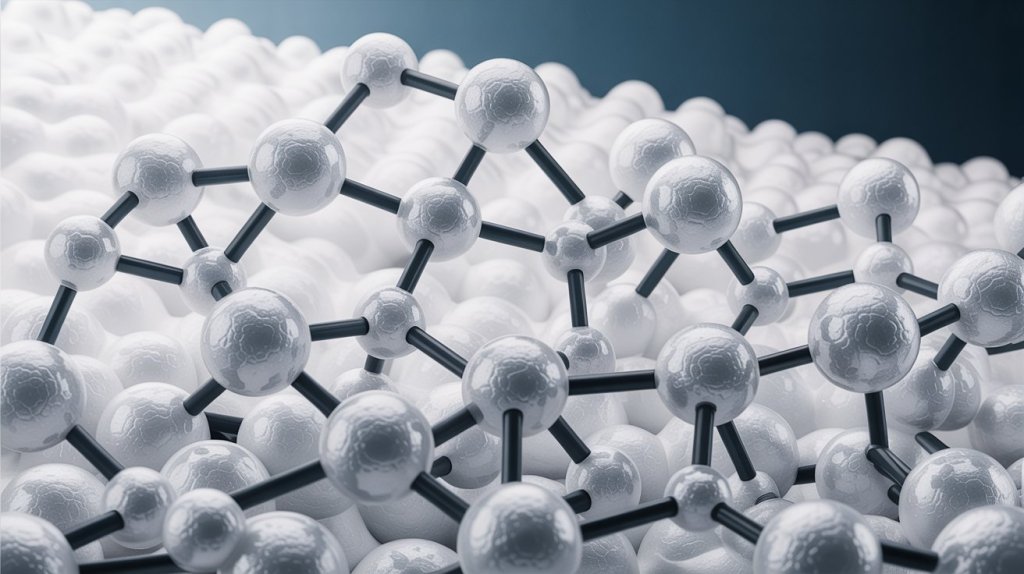
EPS (Expanded Polystyrene) is the core energy-absorbing material used in motorcycle helmets (and in nearly every other form of helmet on the market, ranging from bike helmets to ski helmets). It’s lightweight, rigid, and designed to crush on impact, dissipating energy before it reaches your skull.
And crucially: EPS is chemically stable.
It doesn’t biodegrade, it doesn’t break down easily, and unless it’s exposed to high heat, strong solvents, or continuous UV radiation, it holds up surprisingly well over long periods of time.
The Study That Changed the Conversation
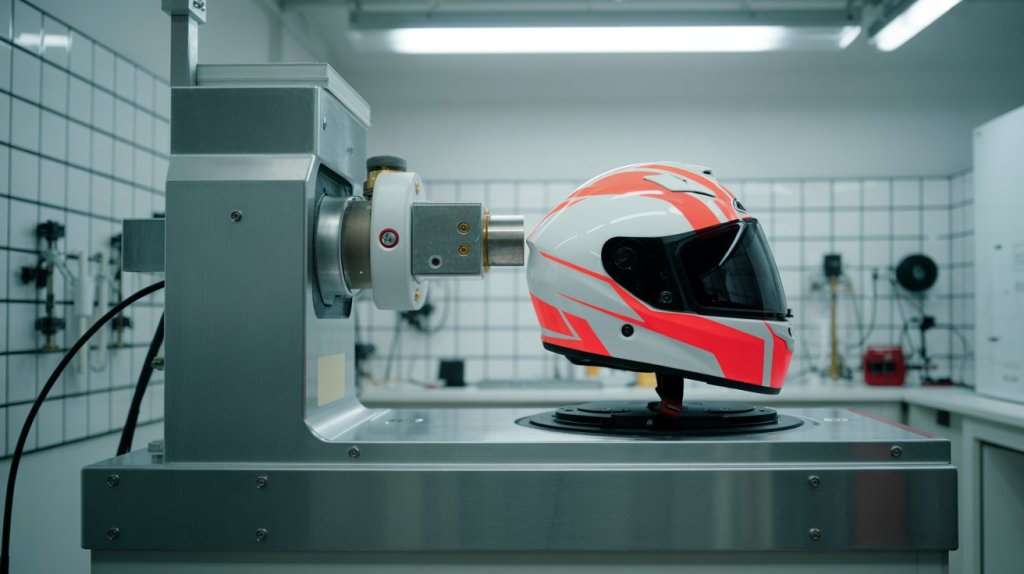
In 2015, a study published in Bicycle Helmet Safety Institute and later reviewed in the Journal of ASTM International tested 675 bicycle helmets ranging in age from 1987 to 2013. The researchers looked specifically at how well the EPS performed in impact scenarios after decades of use and aging.
Key finding:
“There is no justification for two- to ten-year replacement recommendations based on impact performance.”
Even the oldest helmets in the study (which were over 20 years old) showed little to no degradation in EPS energy absorption.
Yes, that study was on bicycle helmets — but the EPS foam used is the same type found in motorcycle lids.
Another oft-cited article comes from Motorcycle Consumer News, which tested helmets as old as 7 years and found no statistically significant difference in performance compared to new ones. That issue is no longer published online, but a summary of their findings is preserved here.
What Actually Degrades Over Time?
While EPS itself is stable, some environmental factors can accelerate breakdown:
- UV rays: But your helmet’s outer shell protects the EPS from direct sun exposure.
- Heat and humidity: Storing your helmet in the trunk of a car through seasonal extremes isn’t great.
- Solvents or chemicals: Don’t clean the inside of your helmet with harsh cleaners.
- Sweat and oils: Moisture may affect adhesives or foam integrity over very long periods, but evidence is inconclusive. If you’re the type of person who sweats a lot while riding (for example at the race track), it’s a good idea to clean your helmet more frequently.
A 2006 MSF/Texas Tech study examined potential EPS degradation from sweat and oil exposure but again, did not conclude that this led to failure in impact testing under DOT standards.
So… Where Did the “5-Year Rule” Come From?
There’s no grand conspiracy — but there are a few reasons why this idea persists:
- Manufacturer recommendations: Most brands (and the Snell Foundation) suggest replacing helmets every 5 years — in part due to wear-and-tear concerns, changing safety standards, and yes, because it helps drive new helmet sales.
- Abundance of caution: Some riders just prefer to play it safe — much like people who change their oil more frequently than is recommended, “just in case.”
- Comfort liners wear out: Cheek pads compress, ventilation gets clogged, and helmets lose their snug fit — which does affect safety in a crash.
- Crash sensors improve: Newer helmets may offer tech upgrades (e.g. MIPS, ECE 22.06 compliance) that older lids don’t.
The Bottom Line
If your helmet has been:
- Stored properly (not baking in a shed or in the trunk of your black car),
- Never dropped or crashed,
- Still fits snugly and comfortably,
…then there’s no strong scientific basis for tossing it at the five-year or even at the 10 year mark. EPS degradation over time is minimal under normal conditions, and no published impact test study has shown significant loss of protective function after decades.
That said, we always recommend:
- Inspecting your helmet regularly for cracks or loose components
- Cleaning the washable interior components of your helmet regularly with soap and water
- Replacing a helmet immediately after any impact
- Replacing the interior foam padding if it shows signs of wear that affect its fit
Ride Smart, Not Scared
At ChanceMoto, we’re all for safety — but also for science. Don’t let marketing myths dictate when you replace a perfectly good lid. Know the facts, use your judgement, and invest in gear because it improves your ride — not just because the calendar told you to.
 Chance Moto
Leave a comment